Bodnant Gardens, Wales, In Spring Haute Couture

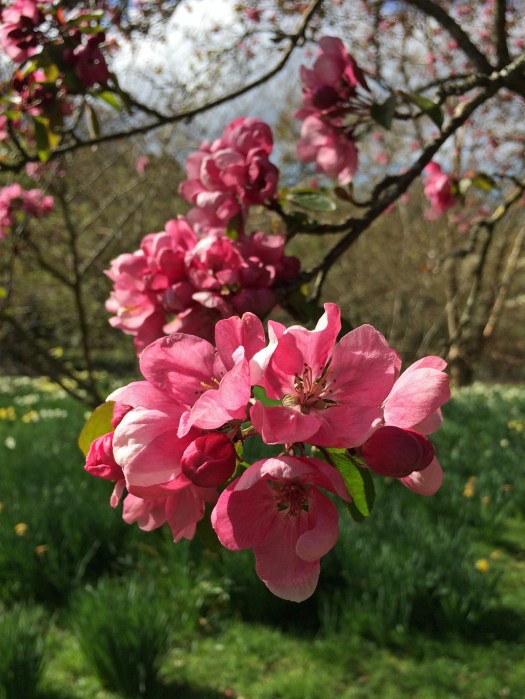
Pink blossom

This year it’s too easy for gardens to be on trend, the Pantone colour of the year being Greenery. Well… yes, I’ll go with that, but if Pantone’s colour trend experts think greenery is the colour for 2017, perhaps they should get out more. Hardly a passing trend, greenery should be named the colour of the millennium (in the hope it might, by some miracle, be the millennium to come, not the one we’ve recently left behind).
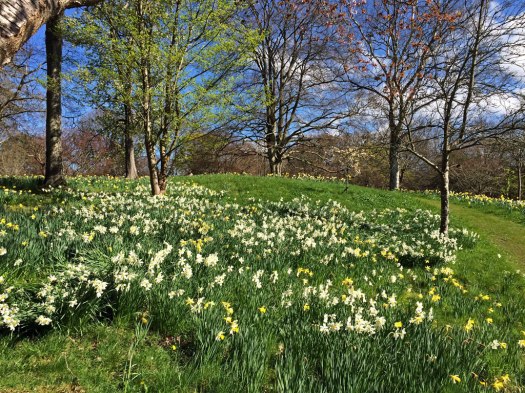
Field of daffodils

Bodnant Gardens, where these pictures were taken, had acknowledged the colour of the year with a knowing wink, but decided greenery was just the start. It was a great start – no one could deny that – but the surrounding countryside had got greenery off to a T too. So much so that after finally leaving the North Wales Expressway (an optimistic name on a very sunny Sunday) I found myself winding towards the National Trust garden along Llanrwst Road thinking “This land is such a bright green, it’s almost too much. How will the camera lens cope with this? Are my sunglasses not on?” (they were).  Continue reading “Bodnant Gardens, Wales, In Spring Haute Couture”
Woodland Plants: Erythronium dens canis

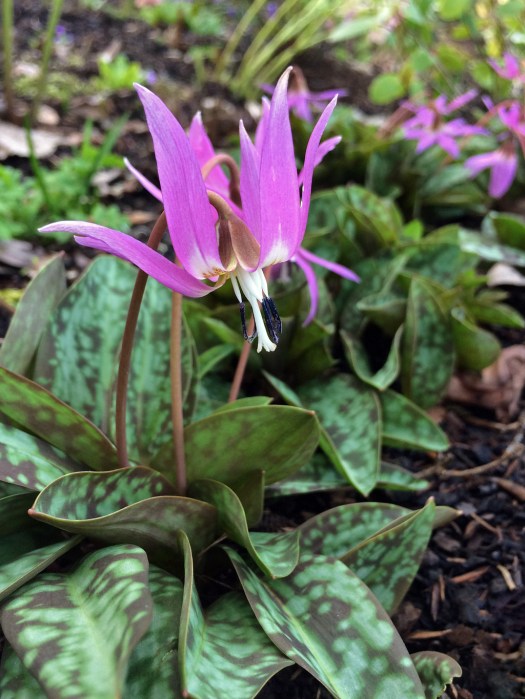
Erythronium dens canis (dog's tooth violet)

This little gem – Erythronium dens canis – grows wild in favoured places across Europe. You might come across them in dappled shade on the edge of UK woods, pushing their way up through leaf litter, but there is probably more chance of finding them in a major garden or a spring plant and bulb catalogue.

Common names include dog’s tooth violet and trout lily. If you were wondering, dog’s tooth refers to the shape of the bulbs (which should be planted pointy side up) and trout to the beautiful, mottled foliage. The leaves look like a trendy, new, mint flavoured chocolate might – thin, of course, to justify the price tag in that inverse way we’ve come to expect; wavy to give the research and development team something to think about; and with a weird ingredient for extra credibility, such as cardamom or Kaffir lime leaves or green tea.  Continue reading “Woodland Plants: Erythronium dens canis”

Beware of the Flowers…

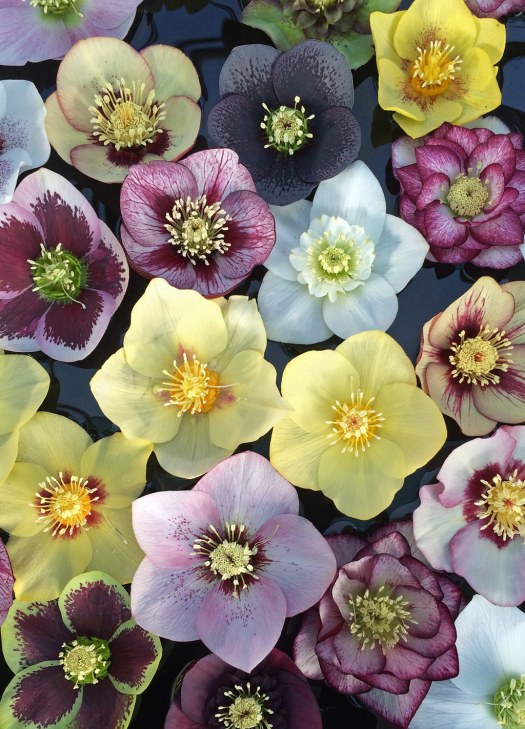
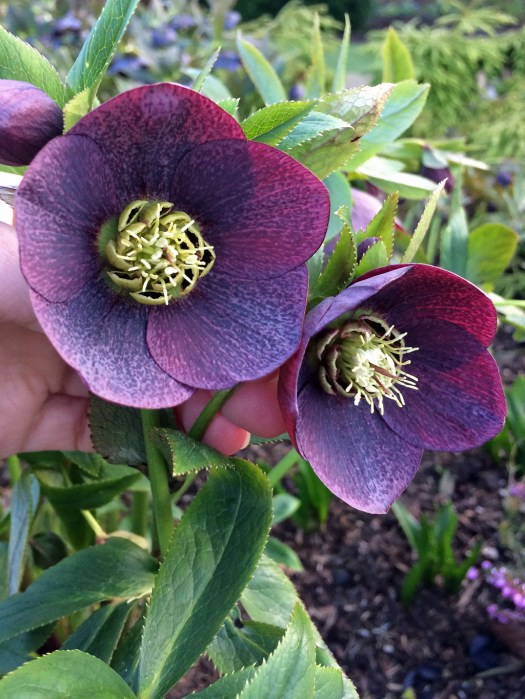
Floating hellebore flowers

…cos I’m sure they’re gonna get you, yeah.

You’re not sure what that refers to, perhaps? That bit of punk pop rock fluff from the 20th century passed you by, even though it’s reputed to have been voted the nation’s seventh favourite lyric of all time in a 1999 BBC poll? Lucky you have me, then.

You do recall this is the same nation that overwhelmingly voted for Boaty McBoatface as the name of our spanking new polar research vessel (and still imagines more popular votes might be helpful)?

If you were expecting something more meaningful to accompany these floating hellebores, don’t worry, I’ve got that covered too. Continue reading “Beware of the Flowers…”

Weekly photo challenge: Atop

Garden silhouette

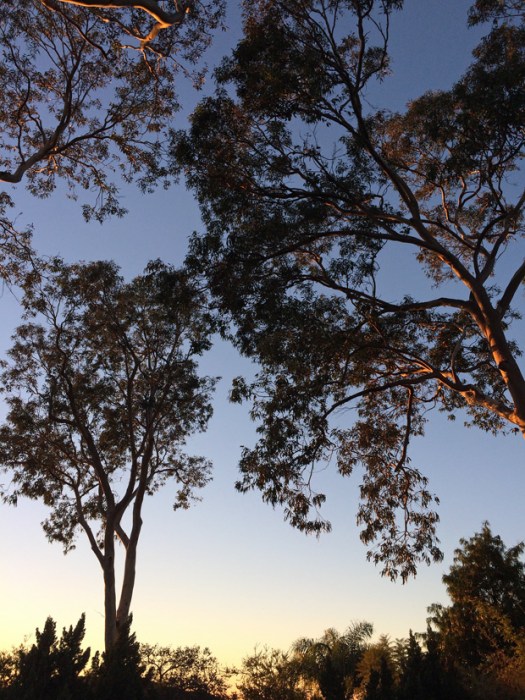
In the valleys of North West England, blue skies are elusive. When one does deign to grace us, it inevitably arrives with an entourage of fluffy clouds. So, for me, an unbroken expanse of blue sky is always something of a miracle.

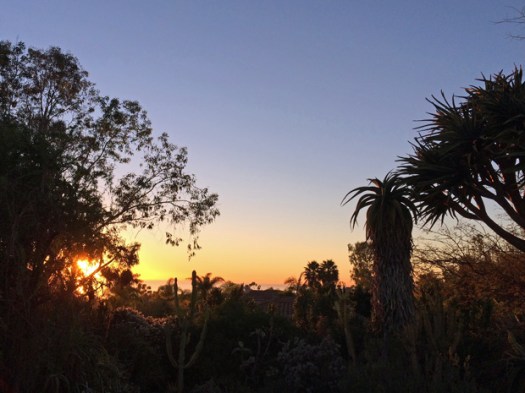
That may be what motivated me to try a few experimental shots of trees and their canopies as dusk was falling at the wonderful San Diego Botanic Garden. If only this was a technique I could practice back at home! If there’s such a thing as blue sky envy, I’ve got it.

Sunset at San Diego Botanic Garden

Continue reading “Weekly photo challenge: Atop”

Hidden in Plain Sight: Primrose Hearts

Common primrose | Primula vulgaris

When I saw these common primroses hidden under a shrub in the gardens at Bridgemere Garden Centre yesterday, I marvelled that each petal is a heart. They looked so dainty and exquisite that I wondered if I was looking at one of the latest new cultivars.

I’d been admiring the Victorian-style, gold and silver lace primulas and some ruffled, rose-like doubles on the garden centre benches just a few minutes earlier – and, I confess, wrinkling my nose at a couple of the less dainty cultivars that are being offered this season.

Checking online, I see that every common primula (Primula vulgaris) has heart-shaped petals. How could I have forgotten in just a few months?  Continue reading “Hidden in Plain Sight: Primrose Hearts”