A Sense of Place: Wooden Beehives In Heather

Little Sparta

The heather is flowering at the moment, turning green hillsides purple. While we have lots of heather on Darwen Moor, I haven’t seen it looking as pretty as in these two pictures, both taken in Scotland during a recent trip. The first shows the view looking outwards from Little Sparta, home of the late poet Ian Hamilton Finlay and his wife, Sue. I highly recommend a visit.

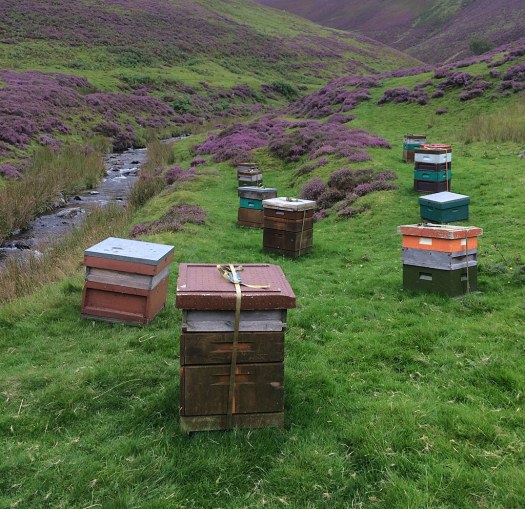
Taking a long, but scenic detour on our way home, we happened upon these wooden beehives next to a stream in a Scottish valley. If it is true that the highest quality of honey comes from bees able to forage in unspoiled, natural surroundings, I would love to sample a jar from these hives.

Wooden beehives in Scottish heather with a stream running by

Continue reading “A Sense of Place: Wooden Beehives In Heather”

Flowers or modified sepals – who knew?

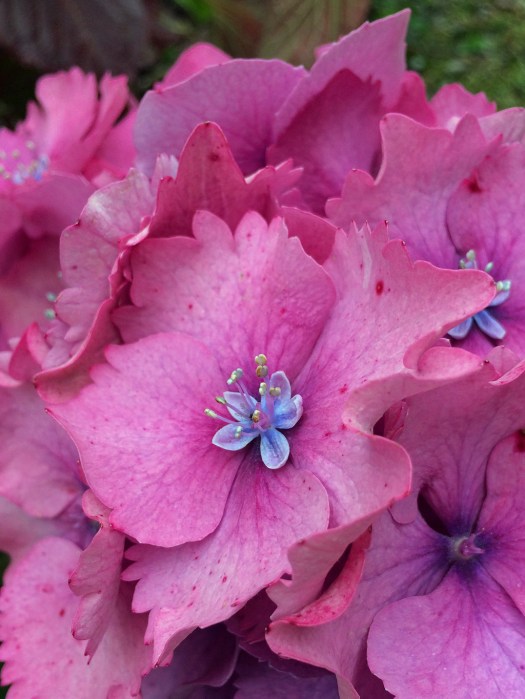
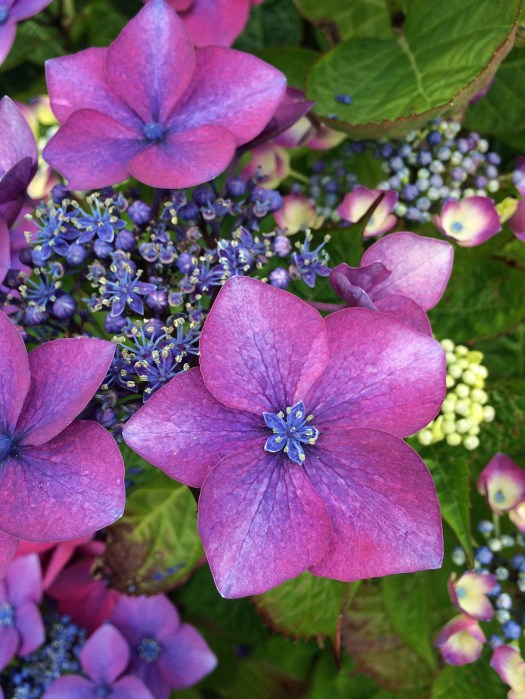
Hydrangea flower

My blog (like many others) is mostly a collection of ‘Ooh, shiny!’ moments. That’s Andrea’s term for “diversions, distractions and delightful detours”. Things that make me pause to pay more attention that I photograph and share, hoping you’ll be willing to pause for them too.

Like these hydrangea flowers. I’m not talking about the pink bits we think of as petals that are, technically, modified sepals, but the tiny blue flowers I hadn’t really noticed until they were pointed out. While the modified sepals (a catchy term – I can’t think why it never caught on) are long lasting, the small flowers only open briefly. Even more of a reason for us to miss them.

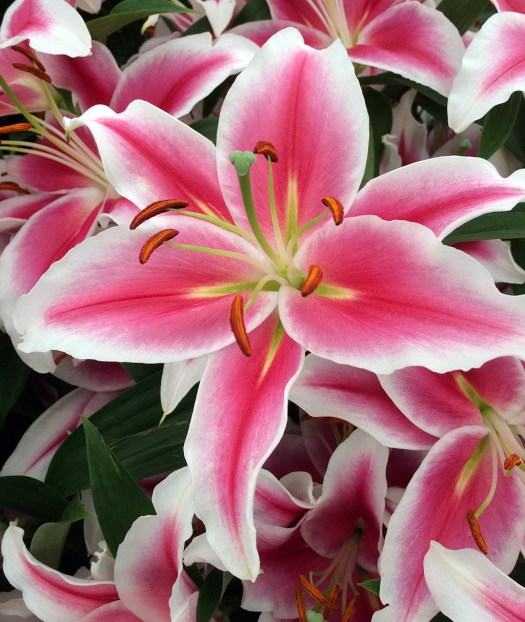
Lacecap hydrangeas, such as the star striped beauty below, have a cluster of small flowers in the middle, with a few more in the centre of the florets that seem to float on their outer edges.

Hydrangea flower in a flower Continue reading “Flowers or modified sepals – who knew?”

Great Companion Plants For a Cottage Garden: Astrantia

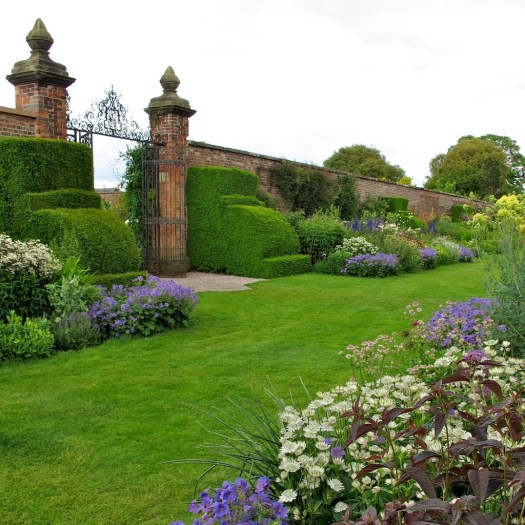
Astrantias at Arley Hall

First, What is a companion plant?

Plant society members often think of their ‘pet’ plants as the stars of any border: flowering perennials, shrubs, trees and climbing plants that are guaranteed to turn heads. Think of peonies, roses, hydrangeas, day lilies, dahlias, delphiniums, hollyhocks, or even topiary as in the picture of Arley Hall, above.

Companion plants are the ones with a supportive role. They are chosen to complement the feature plants, contrasting or harmonising with them, in colour, texture or form. I can’t imagine a traditional herbaceous border without companions to fill in the gaps and create a tapestry effect. While companions add to the richness and diversity of the garden, they will not compete too aggressively for the limelight or for resources such as food, water or space. They create a healthier ecosystem by attracting beneficial insects.

Many of my favourite companion plants are long-flowering, allowing the garden to transition seamlessly from one season to another. You might have overlooked every one of the companion plants I’ll be highlighting in this short series of posts, but I believe they’re worth their moment in the spotlight.

Astrantia (masterwort)
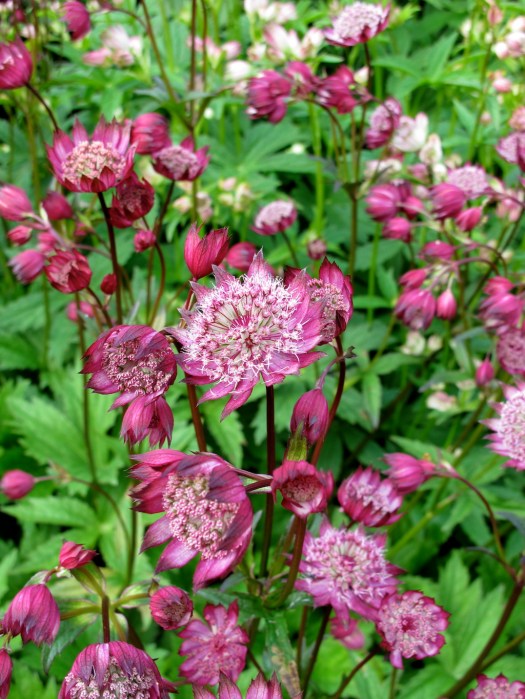
Red astrantia

Astrantias are such useful, trouble-free companion plants that you’d be hard pressed to find a major English garden without them. Masses of small umbels are held airily on wiry stems like a profusion of stars, as their Latin name suggests. The intricate, lacey flowers are encircled by papery bracts of varying lengths.  Continue reading “Great Companion Plants For a Cottage Garden: Astrantia”