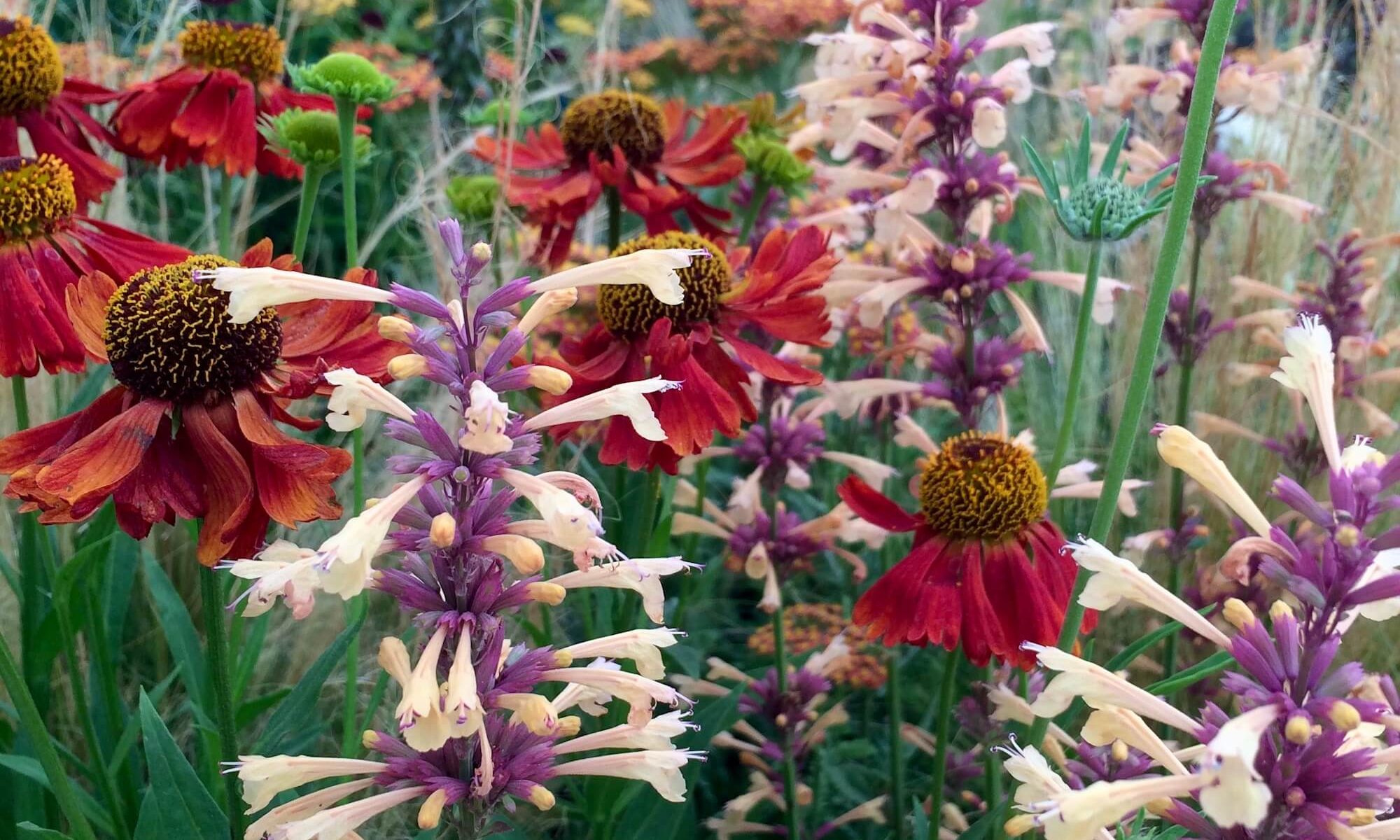

I’m turning to the world of plants to help HeyJude celebrate the colour brown.
Brown flowers are unusual, but Primula auricula breeders have had centuries to push the boundaries. (See my post from the Cheadle Auricula Show)
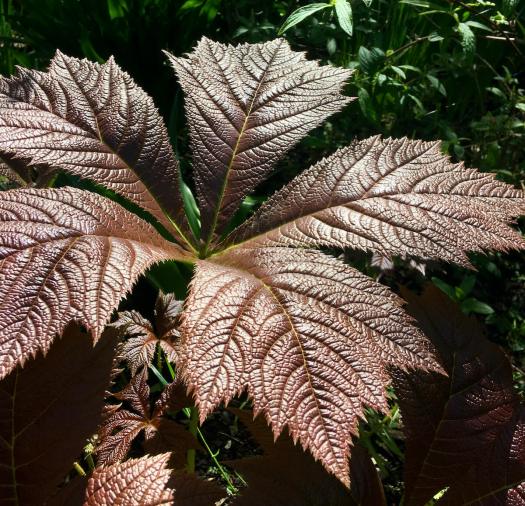
Plants with brown leaves are more common.
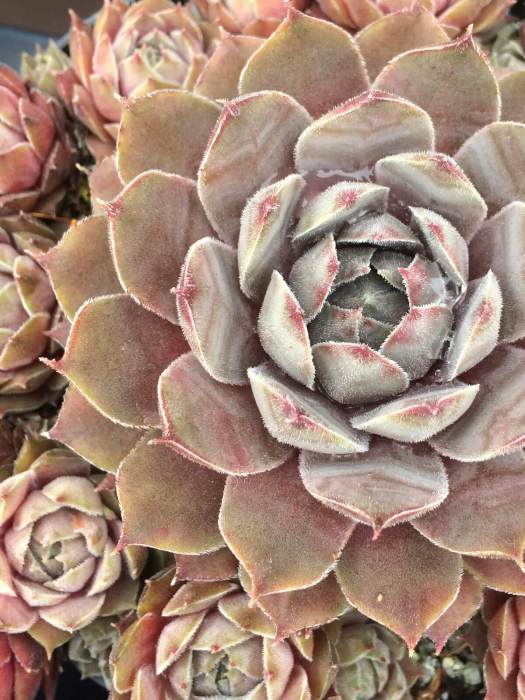
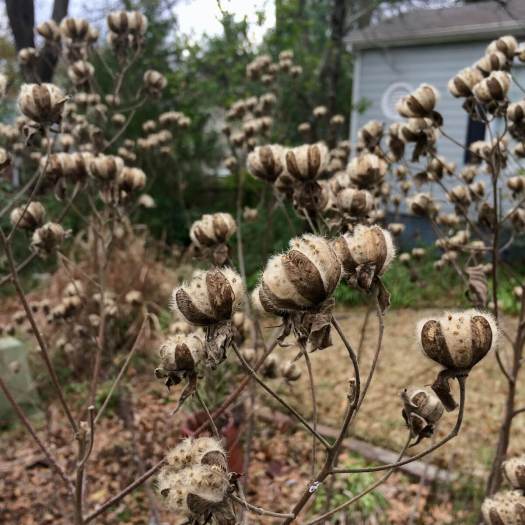
Seeds are often encased in brown, as are nuts.
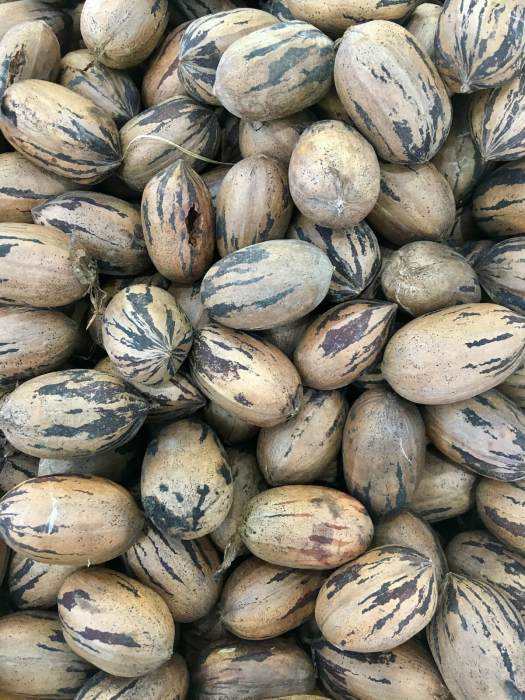
As an extra, I’m throwing in something I made from the grain of plants:
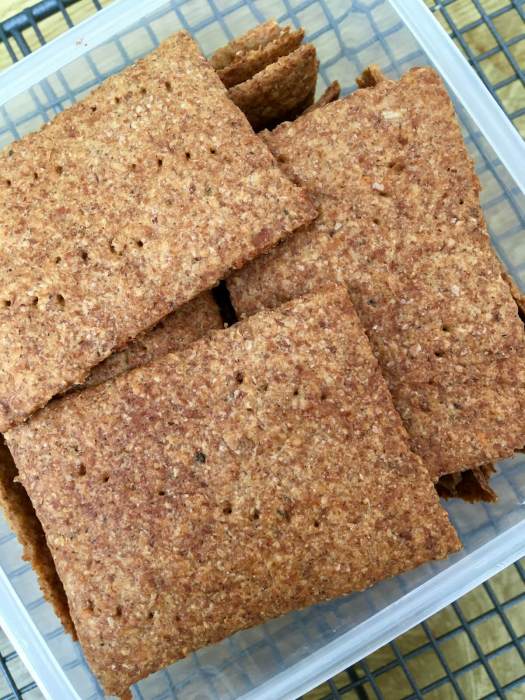
One of the major irritations of baking sourdough bread is what to do with the excess starter gloop produced in large quantities, especially when you first start and haven’t got the confidence to ignore the instructions.
If you’re tempted to try baking them, the King Arthur recipe is here.
You’ll note my sourdough crackers look nothing like those in the recipe. I’ve found the recipe very flexible – you can use whatever you have. Mine are made from a mix of rye, brown and white flour starter discard. I add in rosemary or cayenne pepper and black pepper, and sometimes finely grated hard cheese if I have any going spare. I use about 10% less fat as it just works better for me that way. I’ll drawn your attention to the instructions to roll them as thinly as you can handle, and to watch them like a hawk as they draw close to being ready. In my oven they all cook at different speeds and have to be turned and taken out in sequence, but they’re worth it!
 Susan Rushton
What are the ‘fluffy seeds’ in your fourth photo? I have a photo of the same seeds, but I’ve never been able to identify them.
Stephen has suggested a Kapok tree below, but my memory suggests these were almost weedy and not very tall – more like a native annual or perennial. They were in a garden in Mississippi. What did you remember about the ones you saw?
They were in a garden-like environment, as well — at a Buddhist temple only ten or so miles away. They definitely weren’t Kapok. The seeds were more like those of basketflower than milkweed, and the plants themselves were more shrub-like and low growing. As I recall, they were only as tall as I am at their highest point: perhaps five feet. I’ve planned to visit again once spring has set in; I’ll have to check them again. There were some lovely people working in the garden when I was there, but we didn’t speak each other’s languages.
The ones I saw were 3-4 ft tall. It might help to see a leaf.
You’re right. By the time I found the seed pods, there weren’t any leaves left — at least, that I remember. A new season will cure that.
My sweetheart has been asking around and now believes they are Hibiscus mutabilis.
I must say that there’s a resemblance between the two, although the photos of the Hibiscus seed I’ve found seem to have the seeds ‘loose’ on the inside of the pod, rather than enmeshed in cottony material.
PS. Susan, Preston Birder and Steve Halliwell are one and the same. It’ll be an age thing, I’m 77!!
Those crackers look fantastic! Also, those brown leaves are such a rich, deep color. Would love to have them in my garden.
These are the seed pods of the Kapok Tree, a tropical plant. During and just after the Second World war, it was. I think, used as a substitute for cotton.
I would be surprised if this was a tree, although I had been thinking it looked a bit like cotton. It was only 3-4 feet tall and covered in upwards facing seeds. Would a young Kapok tree behave like that, do you think? I have seen Kapok tree elsewhere in flower – once seen, the flower is not easily forgotten!
The lovely brown leaves are those of a variety of Rodgersia podophylla. I’ve seen them exactly like this one at Gresgarth Hall in the autumn.
Well spotted, Steve – that’s where I took the picture. I have updated the caption.
These are beautiful leaves – love the colour and they way their deep veins make them look as if they’ve been quilted. And those crackers look yummy!
In posting about the crackers I’ve had to promise myself to make a batch very soon!
Oh so lovely!
I can’t make them too often as I eat them all too quickly.
No surprise!
Beautiful flowers and seedpods. I don’t think I have had brown sourdough crackers.
One of the best parts of baking bread and crackers is you can have them as you want. These are lovely and crisp.
Nice response to the prompt Susan, I esp. love that Primula – wow!
I was in heaven when I went to the auricula show.
Some unusual browns here Susan, the Primula auricula ‘Lincoln Chestnut’ is fabulous. I have a couple of auriculas that have a brown edge that I find quite underwhelming.
Brown is a strange colour for a flower. I used to love wearing brown when I was younger, but haven’t found anything I like recently.
I like to wear brown and russet, burnt orange shades, but seem to veer towards black these days.
Am tempted to try making those sourdough crackers one of these day, but looking at the recipe, I have no idea what sourdough starter is!
It’s a liquid mix of flour and water left until natural yeasts develop that you use to make bread. I don’t know if I’d go to the trouble to make the starter if I didn’t plan to make bread… unless I could eat an awful amount of sourdough crackers! There is a recipe for it on the site and you can also buy it. Another idea is to search the site for crackers and try a different recipe.
Thanks Susan, that sounds a bit advanced for my baking skills so I’ll look at some alternatives 😉 I bake bread but with shop bought fresh yeast.
It’s a bit like keeping a pet.
LOL am not ready for that level of committment – yet!
These are lovely and unusual. And we now have such a fantastic sourdough baker in town I no longer bother… so no spare starter 😦
I can imagine you would not. Mind you, you might be able to cadge a bit of starter, enough to make crackers!
There’s no want of brown in my world right now, but these seem more interesting than the browns outside my windows. The Primula auricula looks carved — it’s hard to believe it’s a plant — and I especially like the fluffy seeds. But of course the brown grain in your crackers is the very best of all — those look delicious! No brown study, this!
The double auriculas always seem like tiny roses. I was very sorry about all the sourdough starter discard before I discovered this recipe. It just doesn’t seem right to waste all that flour. The walnut sourdough bread recipe I use is profligate – I cut down the starter to about a quarter and still have plenty.
Beautiful!🤎
Thank you!
That’s an unusual auricula. 🙂 🙂 I like the sound of the crackers but I’d never bake them. I’m sure you must be able to buy something similar?
I do buy crackers, but for once I actually prefer my own. I probably wouldn’t have thought of making them but for feeling bad about throwing away the discard.
I would never get as far as having discard 🙂 🙂
Your crackers look great. I use only rye flour in mine (mainly to use up a large bag of the stuff), and add fennel or dill seeds. I have the same problem with different cooking times too, but the results are so worth it!
I have tried caraway seeds, which I liked but not the two you mention. I like rye bread but have never made a pure rye – or not so far.
I tried pure rye when I first started making bread, but found it really difficult to work with. What percentage rye do you use in your bake?
I usually have about 25 or 30 percent rye in the starter but have gradually gone down to only adding a tiny bit of rye in the actual bread – more like a token gesture. I joke that my dough is more like an octopus at the best of times because it clings to the table given half a chance, so partly that’s to stop it being even stickier. It has been harder to get since the pandemic although I’ve just got a fresh bag.
Thank you. I used to have separate rye and wheat starters because I read somewhere that was what I was meant to do. Honestly, some of the stuff people write (in books, not just online). My bread baking got so much better when I stopped following recipes and worked out the basic chemistry.
Love the plants
I’m glad!