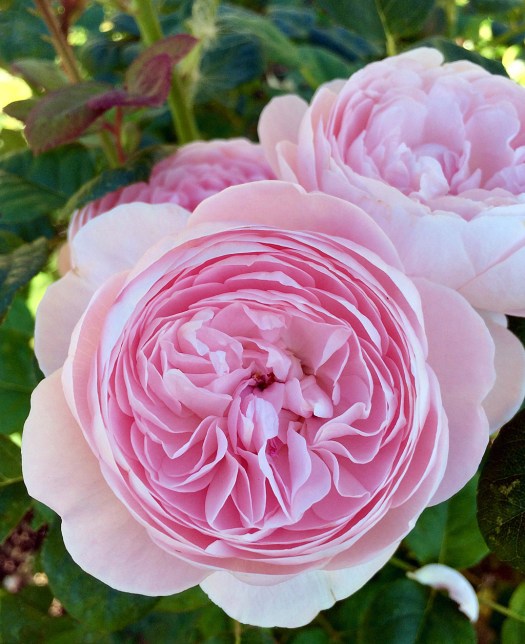
Pastel And Pale Roses
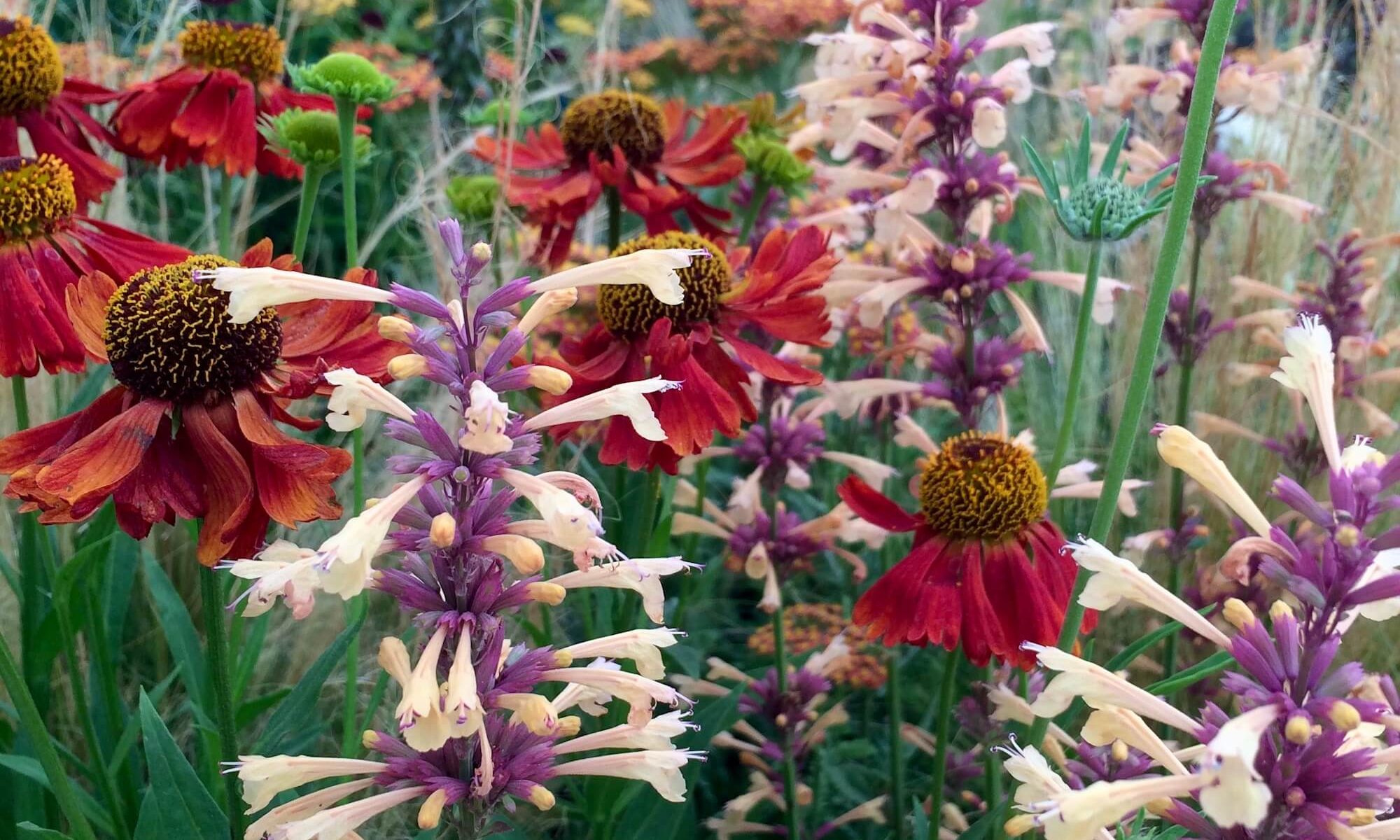
Celebrating gardens, photography and a creative life

A’net by Brenda Jet was one of the installations we were able to get up close and personal with during our stay at Broomhill Art Hotel and Sculpture Garden in Muddiford, North Devon. The garden is a naturalistic one that runs alongside a stream, through a meadow and in the woodland of a steep-sided valley.
Brenda Jet collects plastic waste, such as tangled fisherman’s twine which she patiently cleans, unravels, then winds into neat balls of raw material. The finished sculpture is felt-like, colourful and textural. Continue reading “A’net by Brenda Jet at Broomhill Sculpture Garden”
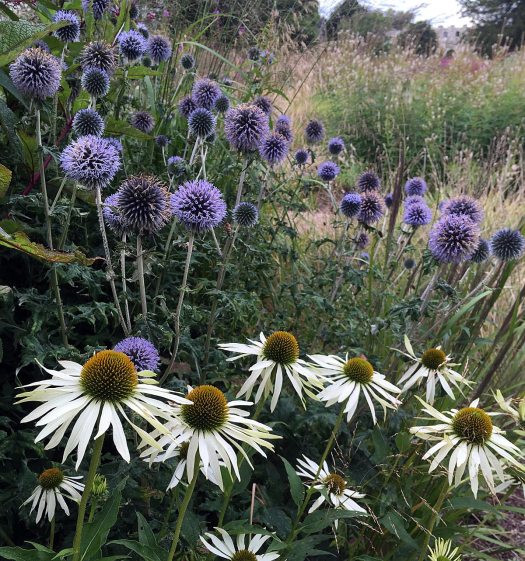
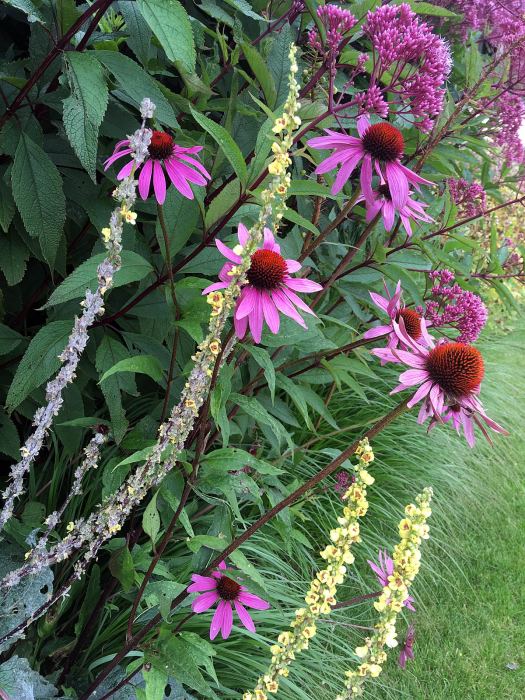
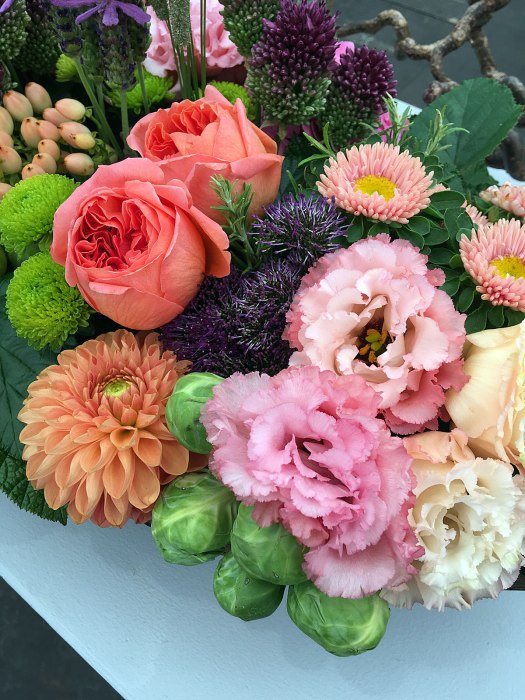
…would it? Either way, I’m wishing my American friends a very happy Thanksgiving. If you’re traveling, keep safe. If it’s just an everyday day for you, I hope these flowers will bring a little cheer. Continue reading “Thanksgiving Would Not Be The Same Without Brussels Sprouts”
Henry Nold, the owner occupant of Haus Martinus in Mathildenhoehe, created the Vortex Garden (garten in German) in its grounds as a sanctuary. Born poor, he allows access to his garden free of charge to members of the public in the hope that they will find peace and inspiration there.
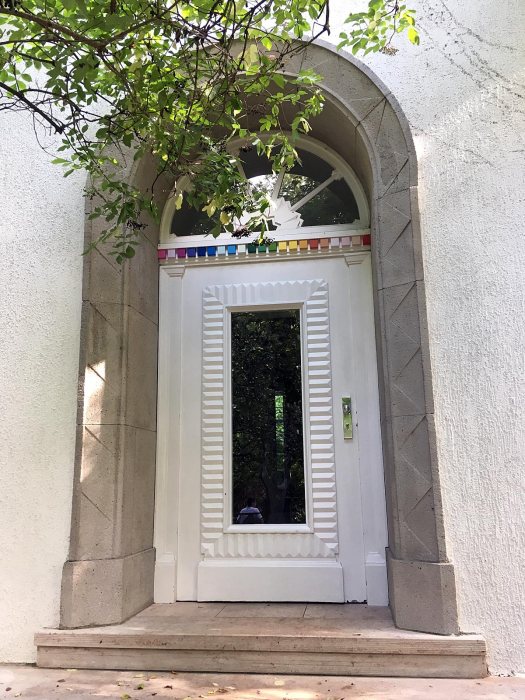
Haus Martinus is a listed, Art Nouveau-style villa, built in 1921 by Jan Hubert Pinand. Garden visitors don’t have access to the villa, but a deluxe suite of rooms can be rented, and concerts are sometimes held there. It must be a memorable place to stay.

Continue reading “Vortex Garten, Darmstadt: A Philosopher’s Garden”
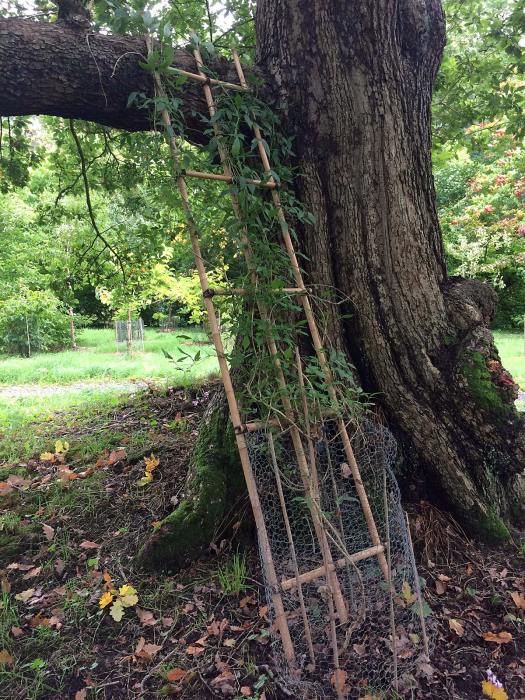
This picture, taken at Gresgarth Hall in Lancashire shows how a vigorous vine such as a rambling rose or a Clematis montana can be encouraged to grow against a tree.
The soil at the base of a tree is often dry and impoverished. Dig a hole for the plant two feet (60cm) or more away from the trunk of the tree. Mix in a little organic matter such as leaf mould or compost to enrich the soil
If the plant came in a pot, gently tease out the roots over the hole. Mix the soil that falls from the container in with the planting soil too. Plant the rose or vine aiming for the soil level to be about the same as it was in the pot. Water in well.
Use a sturdy cane ladder to train the plant back towards a lower branch of the tree. The smaller canes the plant came with can be tied or woven in to the ladder.
As the vine grows, weave the pliable young stems around the cane, tying them in if needed.
If wild animals such as rabbits or deer visit the area and may be tempted to nibble the lower stems of the plant, use chicken wire to protect them.

 Susan Rushton