When I posted yesterday’s picture, I hadn’t realised how on-trend I was. In celebration of this being the Year of the Hydrangea, I want to show the difference between mophead and lacecap hydrangeas.
While mopheads and lacecaps are much the same in growth, habit and overall impression, their flowers have different forms. For most of us, this is a matter of style rather than of botany, as we’re not likely to try to grow hydrangeas from seed.
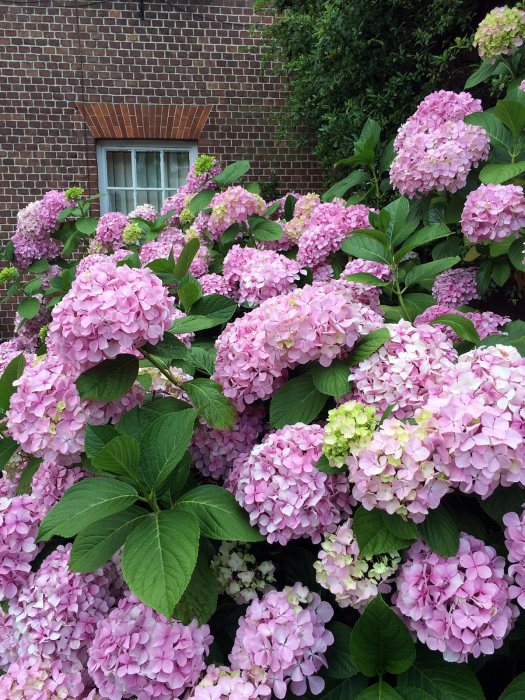
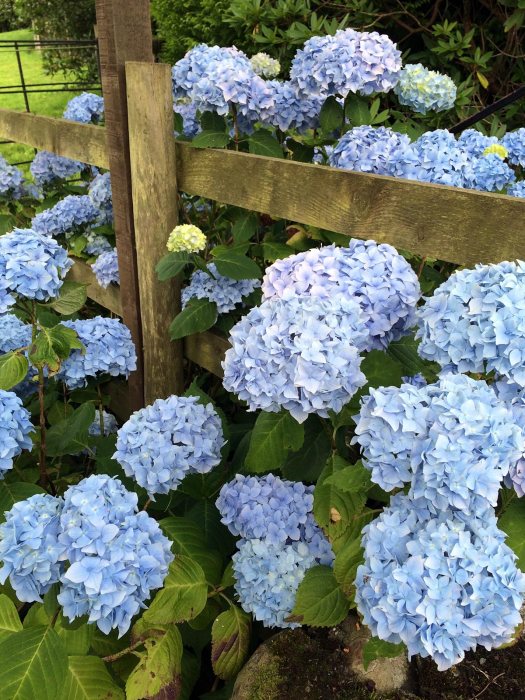
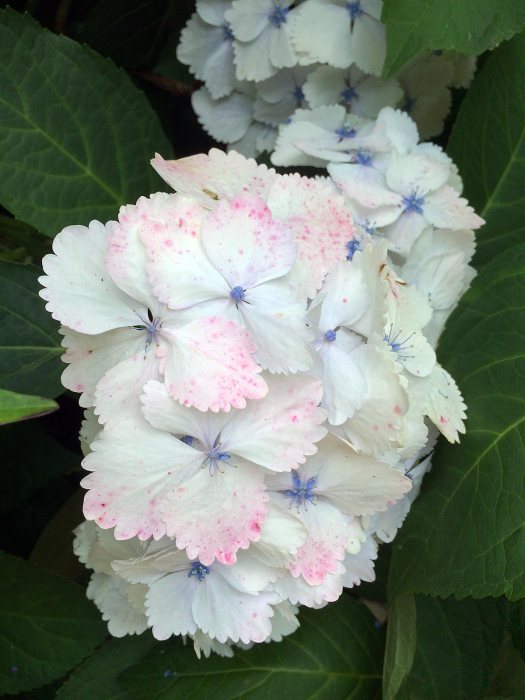
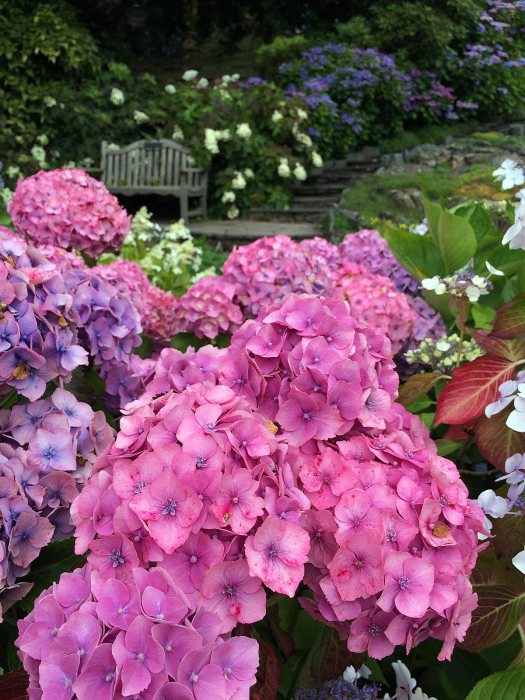
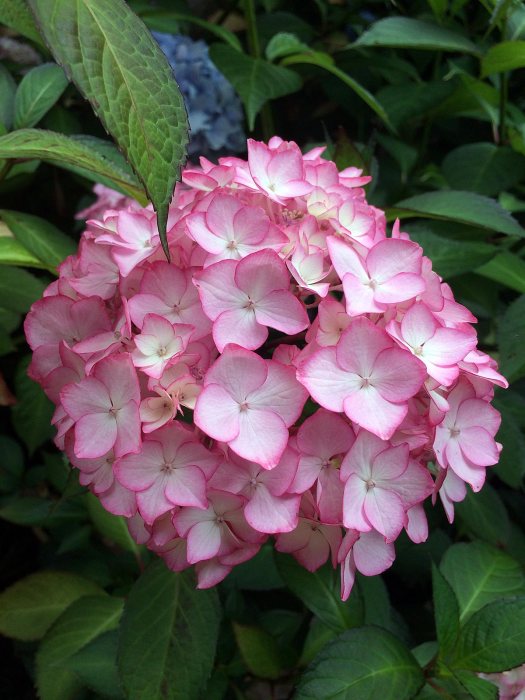
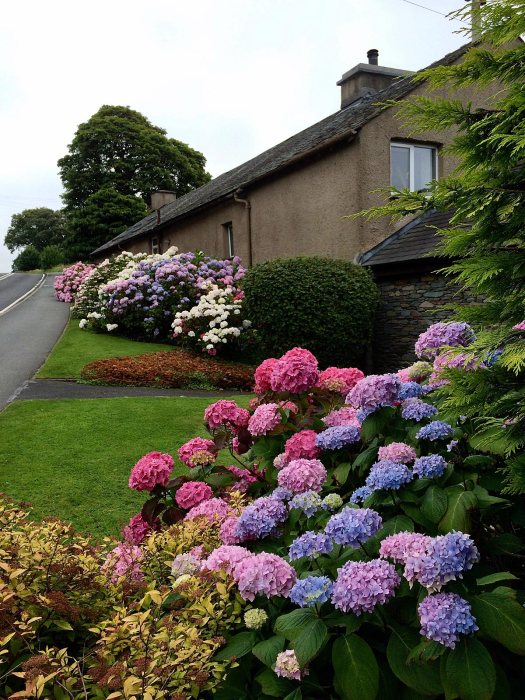
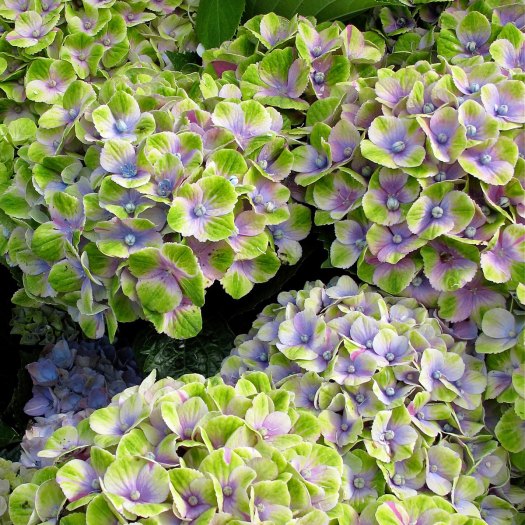
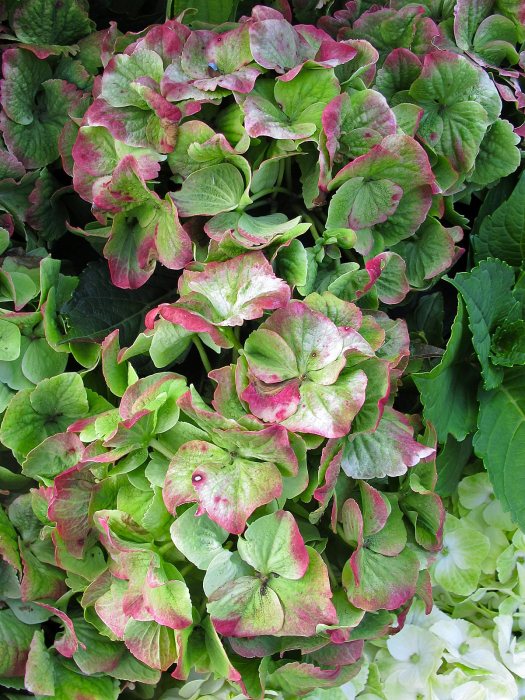
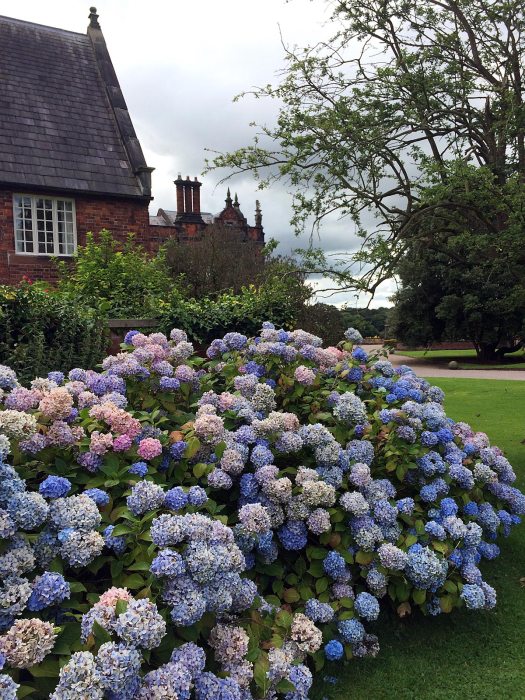
Mophead hydrangeas have round heads packed with individual florets, much as the name implies. They’re the classical hydrangea flower shape, if you will.
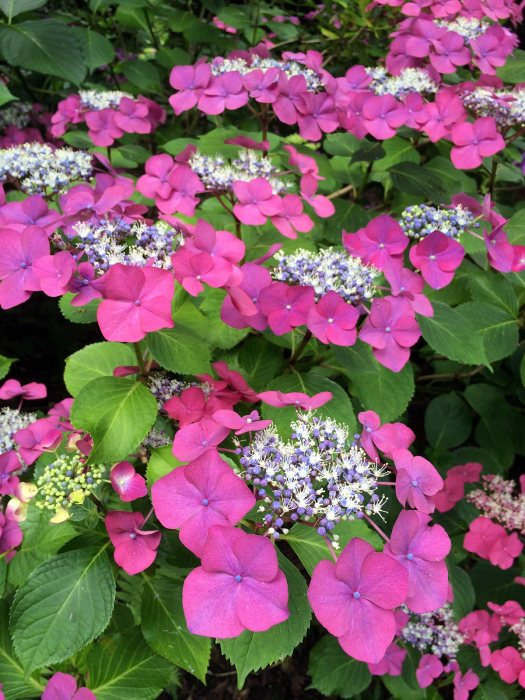
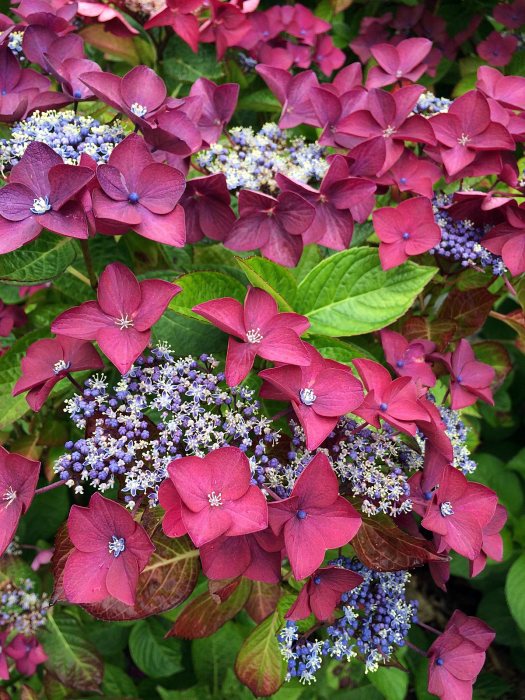
Lacecap hydrangeas are made up of two types of florets – a flattish, central cluster of tiny, fertile flowers, surrounded by colourful ring of outer florets, designed to attract pollinators. This mix gives lacecaps their starry, ethereal character.
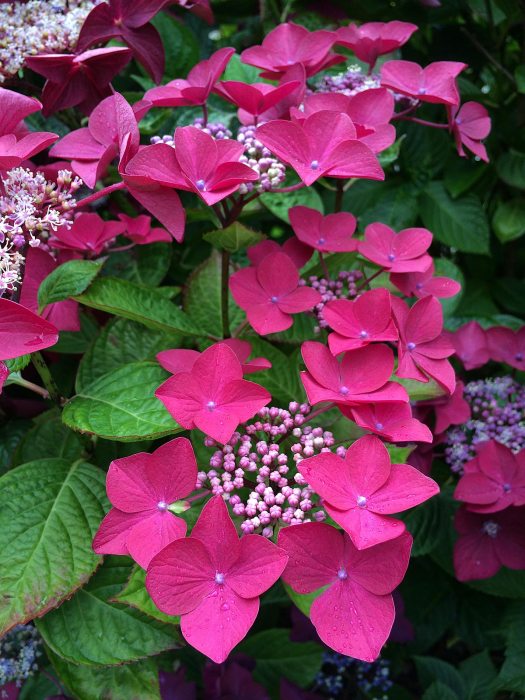
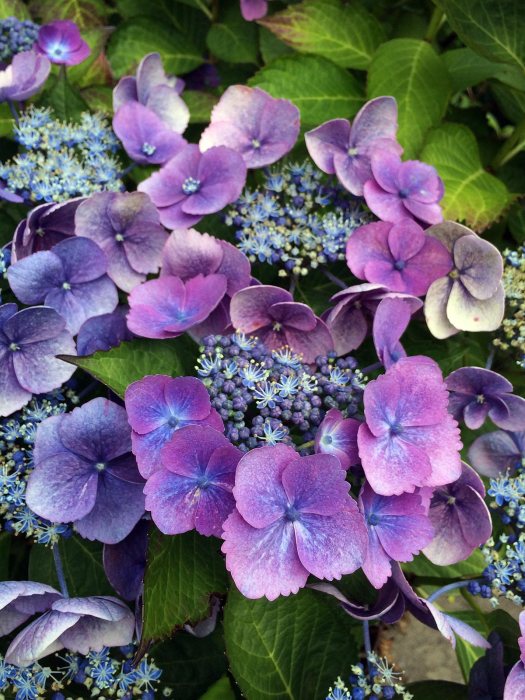
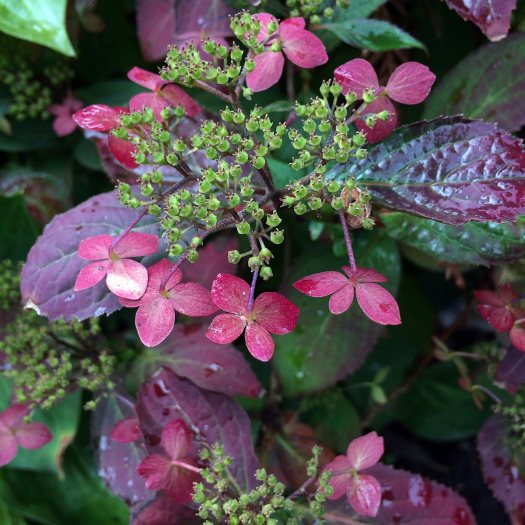
The bigger flowers that pack the mopheads and grow around the edge of the lacecaps are bracts rather than flowers, but we don’t need to get into that here. It all depends what type of visual treat you prefer… or you might be like me and enjoy them all.
It wouldn’t be a proper celebration without a little more hydrangea inspiration, would it?
Gallery of Mophead Hydrangeas
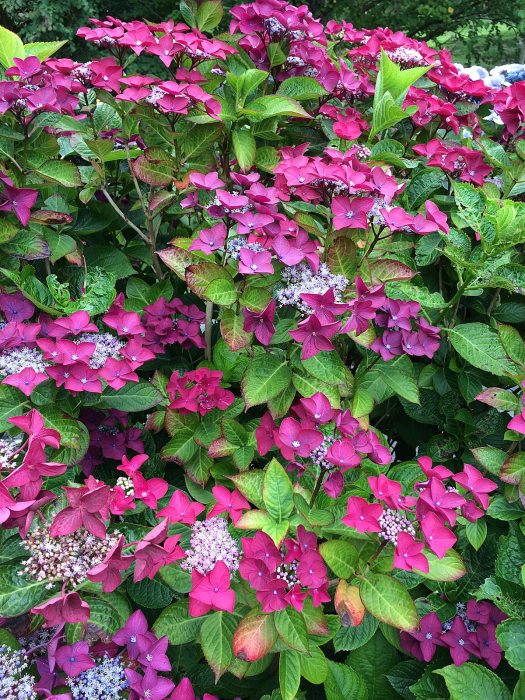
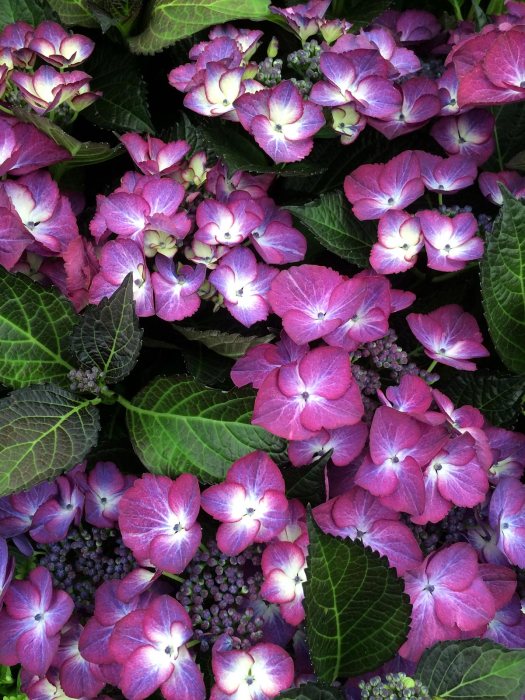
Gallery Of Lacecap Hydrangeas
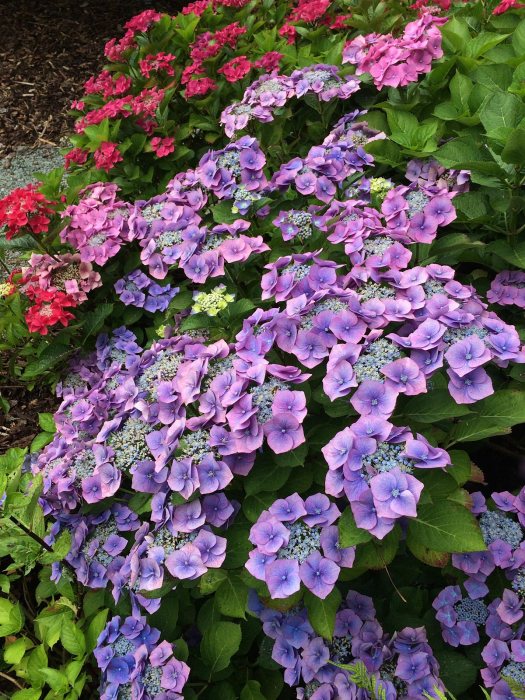
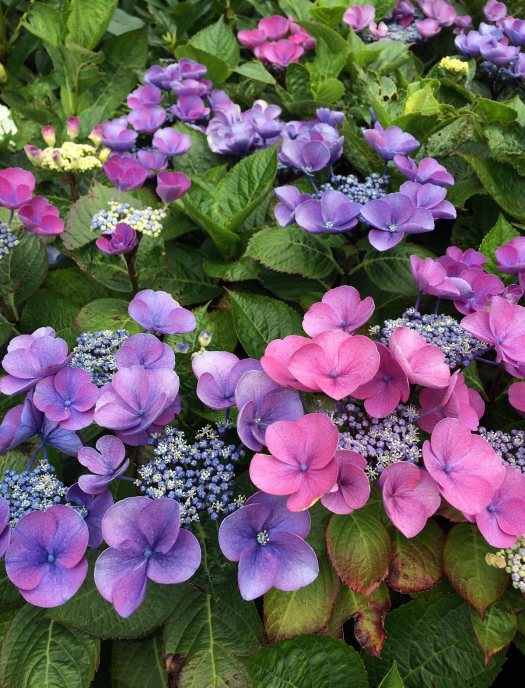
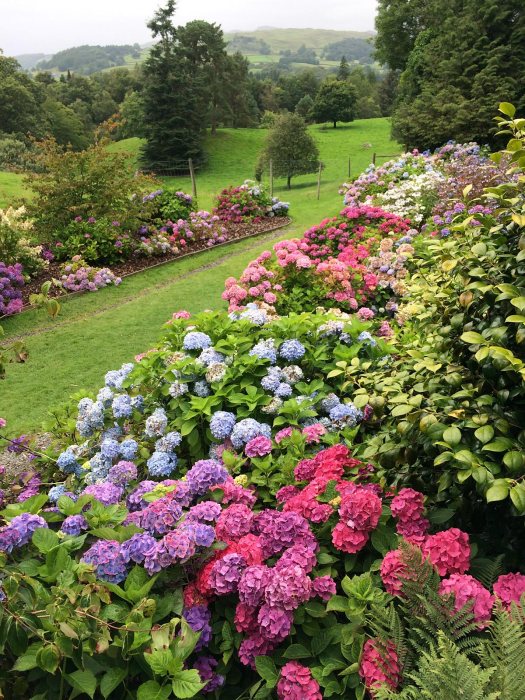
When looking at pictures of named hydrangeas, it’s worth bearing in mind that some varieties change colour along the pink – blue line depending on the acidity of the soil, with variations often appearing on the same plant, as seen above. I always think that trying to change the acidity of soil in the long term is a big ask, but if you want to try to change the colour of your flowers, the more acid the soil, the bluer will be the bloom. Hydrangea flowers need to be deprived of aluminium and grown in an alkaline soil to stay pink.
Other Hydrangeas
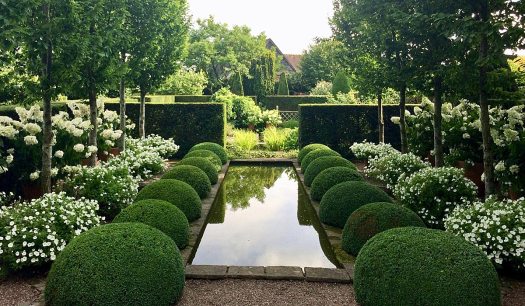
I ought perhaps to mention that mophead and lacecap hydrangeas are types of bigleaf hydrangea (Hydrangea macrophylla). Other widely grown forms of hydrangea include panicle flowered ones (H. paniculata), for example, ‘Limelight’;
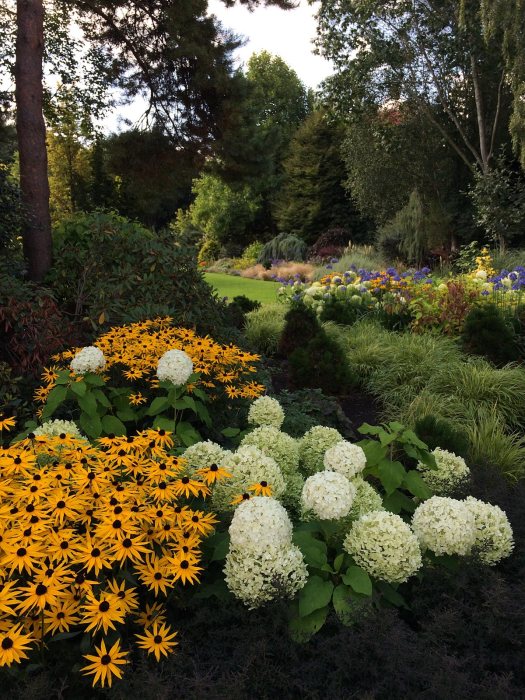
smooth (H. arborescens), for example, ‘Annabelle’;
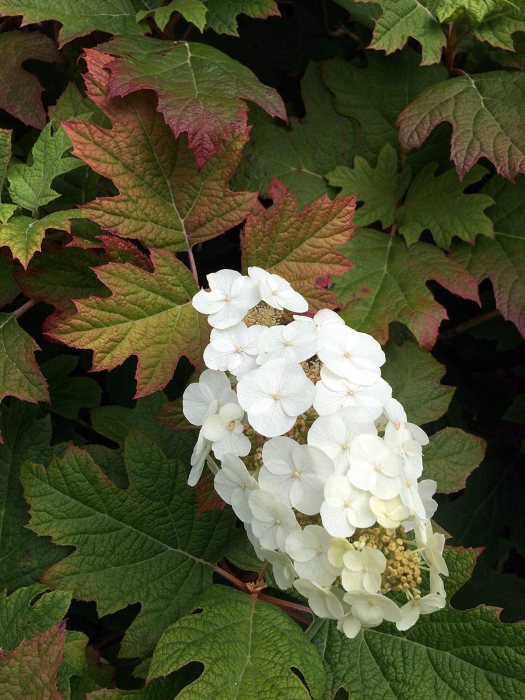
and oak leaf (H. quercifolia).
List of Plants of the Year 2020
The Garden Bureau announces their plants of the year in five categories. The full list is:
Annual Plant of the Year 2020 – Lantana
Perennial Plant of 2020 – Lavender
Edible Plant of 2020 – Corn
Bulb of 2020 – Iris
Shrub of 2020 – Hydrangea
The bureau didn’t explain which plant represented which category, no doubt thinking it self-evident, so this is my best guess, although lavender is not perennial in my sweetheart’s Mississippi garden and, in England, where it does grow as a perennial, it’s shrubby in habit.
The Herb Society of America has also announced their herb (actually a species):
Herb of the Year 2020 – rubus spp (bramble or cane fruit such as blackberries, raspberries and dewberries)
 Susan Rushton
I love Hydrangeas
Being such generous plants makes them easy to love.
These H. macrophyllas are gorgeous. Sadly, we’re just one zone too cool for it and it dies to the ground, so we seldom get this amount of bloom. But at least there are the other species to make up for it. 🙂
I read that at the garden where I photographed ‘Annabelle’ they cut that one back to the ground each year, but then we have a longer growing season than you.
‘Annabelle’ grows well here and we also cut it to the ground. It amazes me that it grows 6 feet tall and blooms by July!
All so beautiful. I remember in northern Spain there were walls and walls of hydrangeas. It’s way too cold and dry for them out here.
They always seem to look good on our southern coast, although I get down that way so rarely to admire them.
Hydrangeas have had a real change in fortune. When I was younger they were strictly for old ladies. I love them now
I know what you mean. I used to think red hot pokers were very old fashioned but I like them much more these days. Some of the old hydrangea plants are the best – they seem to positively thrive off neglect.
Love those beauties!
The belles of the gardening ball?
I love hydrangeas 😍
They seem have quite a big following, although they don’t like to brag about it 🙂
That is why they are so loved 😊
I think I have never seen or heard of the lacecap hydrangea. My loss! Those buds are among the best ever! The photos that show some buds tight and some buds blossoming are my favorites. What an effect! Thank you!
The buds gain from being so communal and so sparkly and being diminutive even when they are open.
Sparkly! Yes!
Wow, these are beautiful. I love hydrangeas, but have never grown them. I may try one in the garden this year.
Good luck!
Thanks for the Hydrangea lesson – I adore them, and didn’t know all this before!
I’ve been collecting pictures of them for some time and the announcement prompted me to use them.
It’s great to see all these vareties. My favourites are the blue lacecaps and the oakleaf type. But there doesn’t seem to be such a thing as an ugly hydrangea.
No, I think you’re right.
My vote is with the lacecaps – gorgeous!
They seem to be winning the most votes. 🙂
An interesting post with superb photos, I particularly liked the darker colours. There is also H. aspera which has blue pollen!
I always think I like the oak leaf ones best at this time of the year because their autumn foliage is so interesting, but I’ll change my mind when the ‘ordinary’ ones start flowering this summer.